LIMU Welcomes Delegation from the International Committee of the Red Cross in Libya
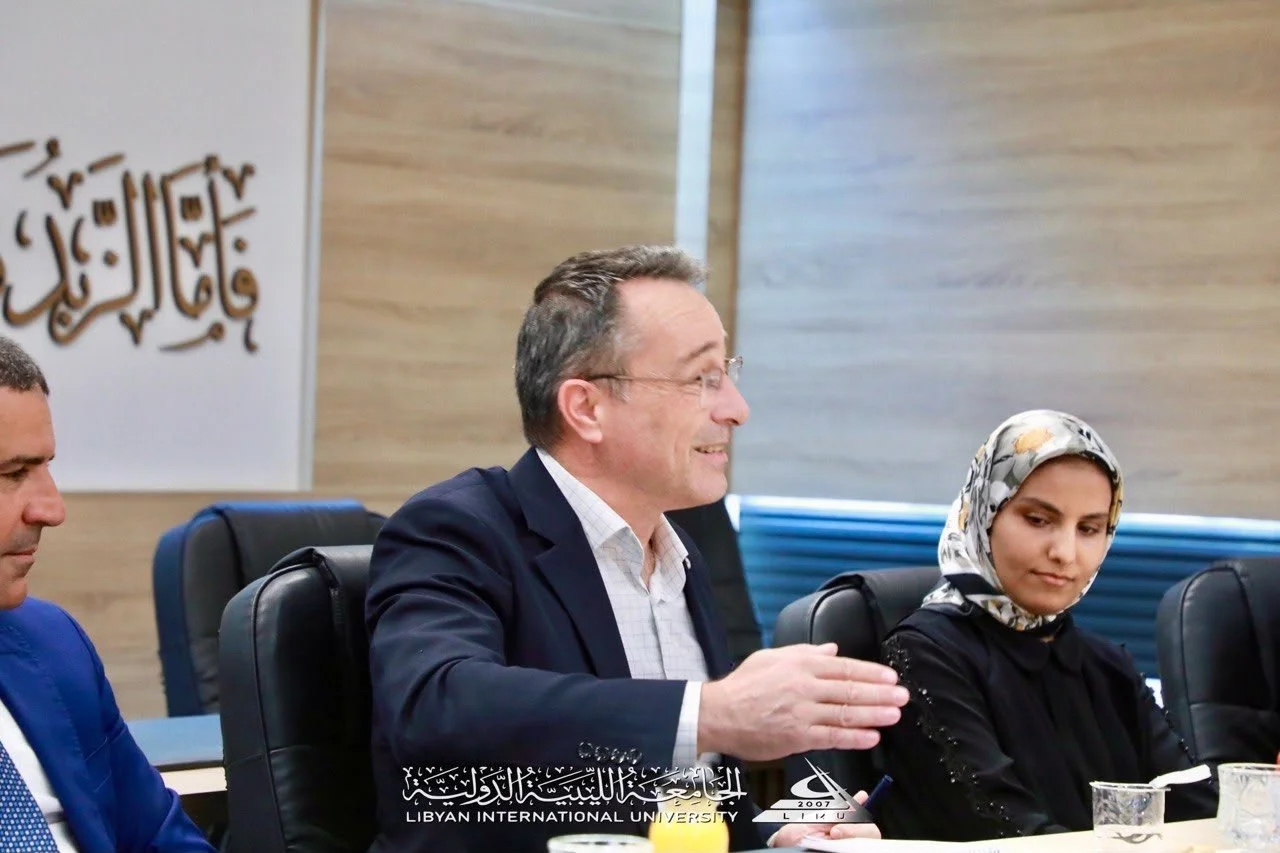
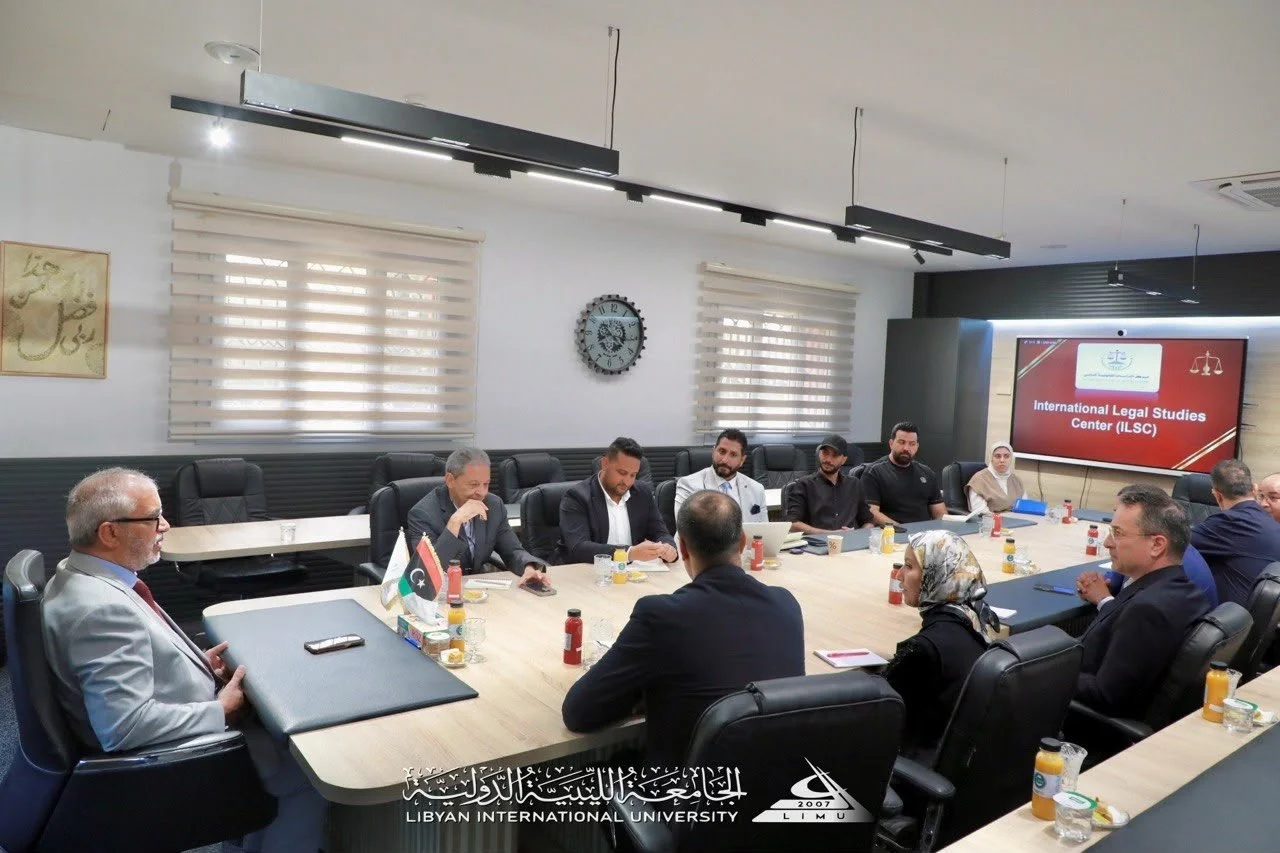
As part of Libyan International University’s ongoing outreach to international organizations and its commitment to strengthening strategic partnerships with academic and humanitarian dimensions, Prof. Dr. Mohamed Saad, President of LIMU, received a high-level delegation from the International Committee of the Red Cross (ICRC) mission in Libya on the morning of Monday, September 27, 2026. The delegation was led by Mr. Younes El Rahoui, Deputy Head of Mission, accompanied by Mr. Irene Herbert, Head of the Sub-Delegation in Benghazi, and Ms. Hajar Al-Kafi, Legal Advisor to the mission. The visit aimed to introduce both institutions and explore prospects for joint cooperation in legal, humanitarian, and training fields.
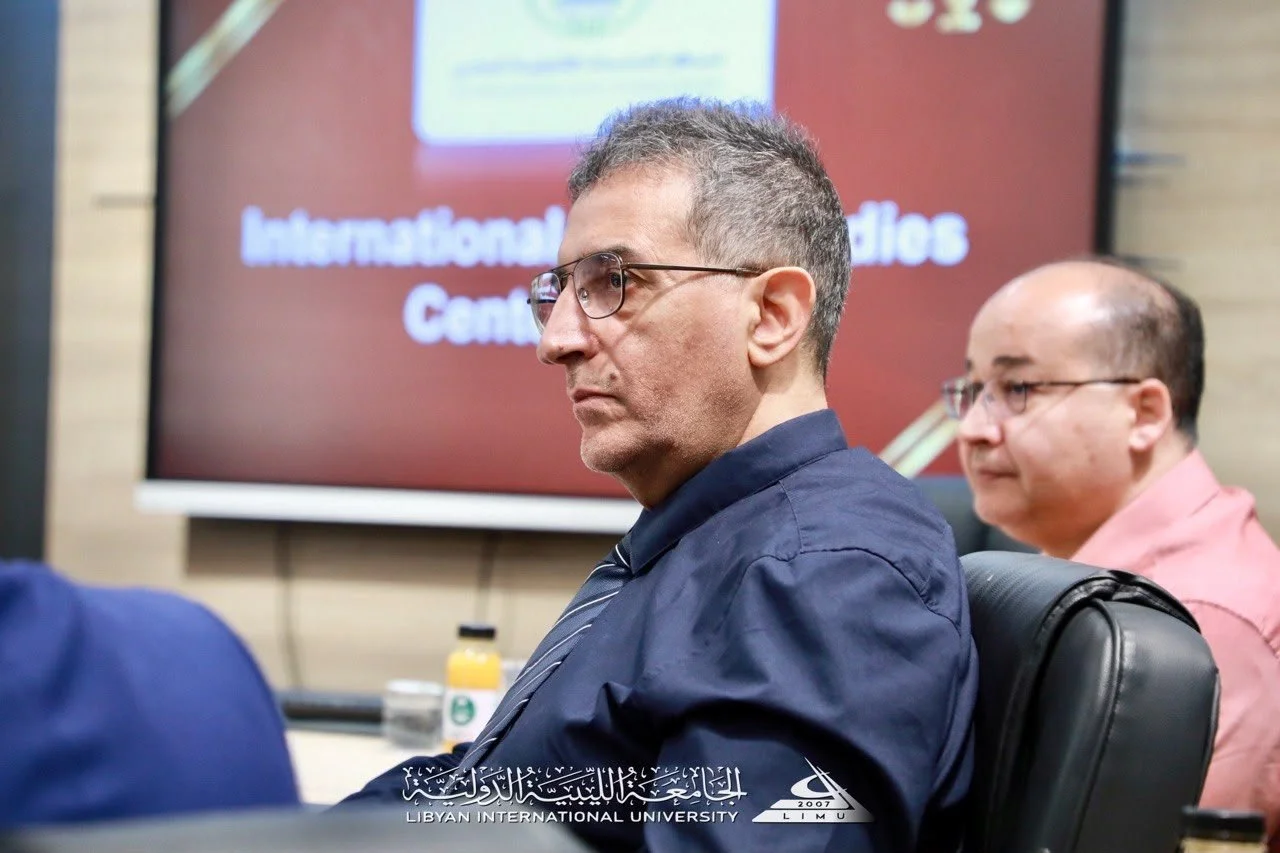
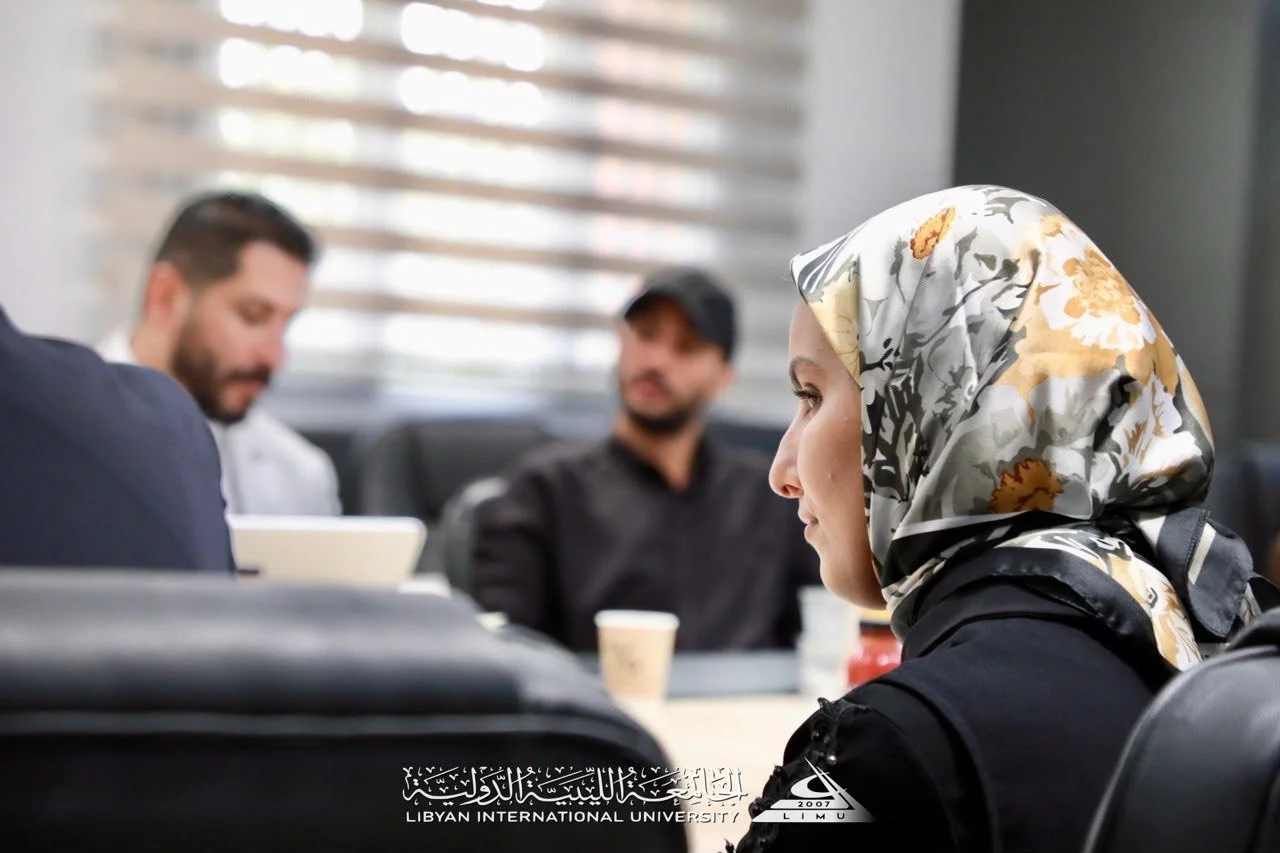
The meeting was attended by Dr. Ali Said Al-Barghathi, Vice President for Community Responsibility and Sustainability; Dr. Muftah Al-Towailib, Director of International and Academic Cooperation; Dr. Jamal Al-Talhi, Director of the school of medicine; Dr. Othman Al-Tajouri, Director of the school of nursing sciences; Dr. Mohamed Ahmed bin Salim, Director of the International Center for Legal Studies, along with the center’s technical team; and Dr. Ahmed Al-Fakhri, Director of the university’s simulation center.
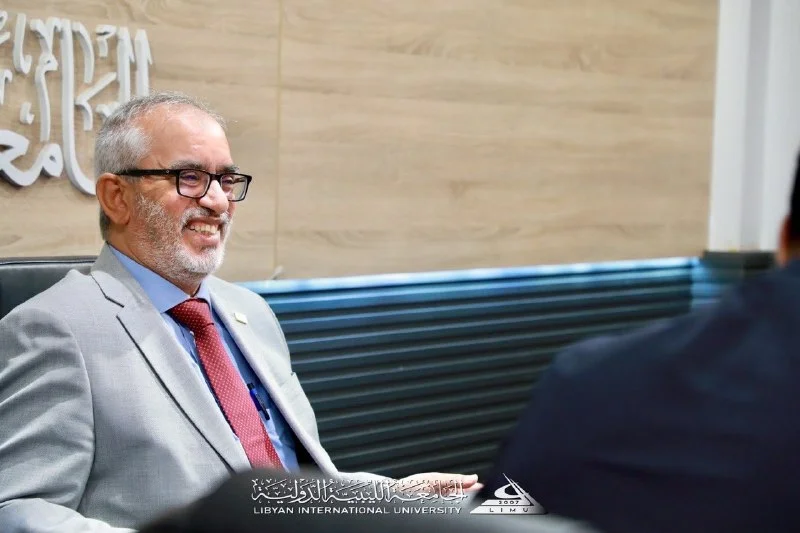
The LIMU President opened the meeting by delivering a comprehensive presentation on the university’s journey since its establishment, outlining its stages of growth and development. He highlighted the institution’s progress in building a university model centered on educational quality, the advancement of modern learning strategies, the promotion of scientific research, and the activation of the university’s role in community service, alongside adopting sustainability concepts and expanding international partnerships.
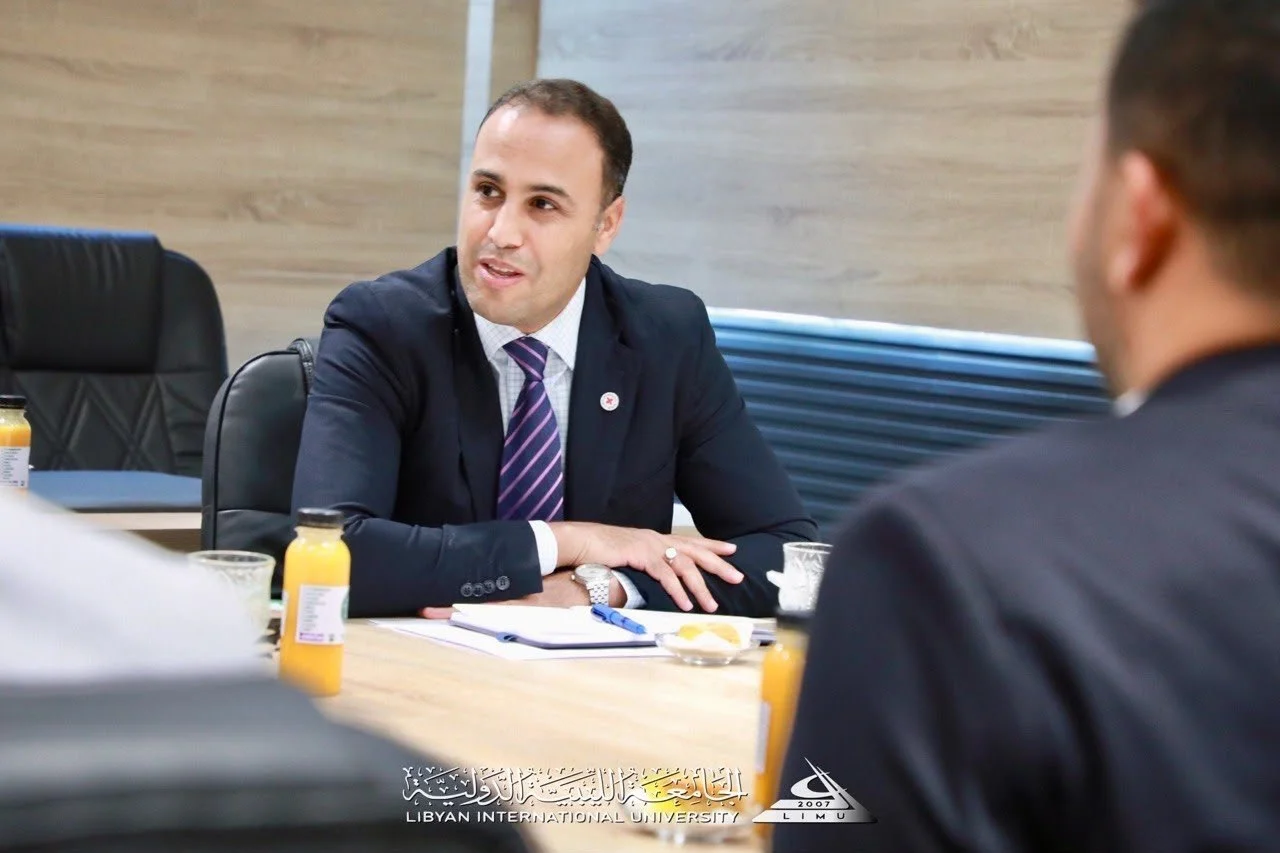
In turn, Mr. Younes El Rahoui outlined the history of the ICRC’s presence in Libya, detailing the mission’s scope of work and nationwide programs, its role in humanitarian sectors, and the institutional cooperation and expertise integration required with relevant national academic and professional bodies.
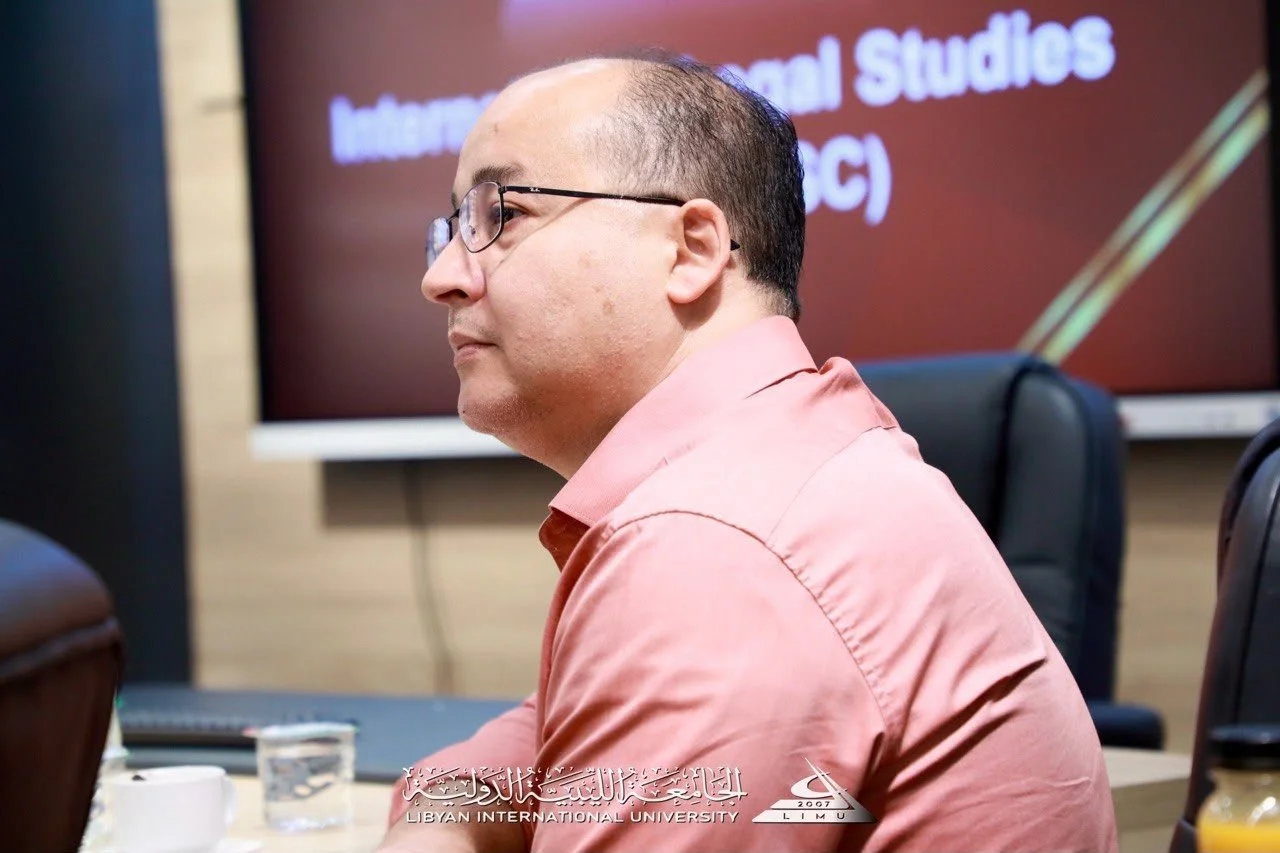
Additionally, Dr. Mohamed bin Salim delivered a detailed presentation on the International Center for Legal Studies, covering its core competencies and operational areas. He discussed its role in supporting specialized legal research, enhancing awareness of international law, and developing academic and training programs that build capacity and solidify knowledge-based professional practices.
The meeting featured a series of productive interventions and discussions regarding opportunities to expand collaboration between LIMU and the ICRC mission, particularly in institutional and legal domains, training and capacity-building programs, knowledge exchange, and the design of joint initiatives addressing professional and humanitarian needs.
The discussions concluded with an agreement to proceed with specialized technical meetings to identify priority areas of cooperation, focusing on international humanitarian law and humanitarian diplomacy. This will enable both sides to leverage their accumulated expertise and develop practical pathways for academic and training collaboration. The talks also explored future avenues of cooperation in health emergencies, mental health, and other areas related to humanitarian action, thereby enhancing integration between academic knowledge, field experience, and humanitarian response.
At the conclusion of the visit, Prof. Dr. Mohamed Saad presented commemorative gifts to the guests, expressing the university’s appreciation for the visit and its pride in connecting with the ICRC. Afterward, accompanied by Dr. bin Salim, the delegation toured several university facilities, inspecting its infrastructure and educational capabilities while gaining insight into the educational process and academic environment fostered by LIMU.